Belmont High Street deep cleaning for shops and cafes
If you run a shop or cafe on Belmont High Street, you already know the same thing every day: the front counter can look spotless at 9am and tired by lunchtime. Footfall brings in grit, spills, fingerprints, odours, and the odd sticky mystery mark that nobody wants to claim. Belmont High Street deep cleaning for shops and cafes is the kind of reset that tackles the grime you can see and the build-up you probably stop noticing after a while.
This guide breaks down what deep cleaning actually involves, when it makes sense, how the work is usually carried out, and what to watch for if you want a result that feels genuinely fresh rather than just "a bit tidier." You will also find a checklist, a comparison table, and practical tips for making the most of the clean without disrupting trading.
Key takeaway: Deep cleaning is not just about appearance. For busy hospitality and retail premises, it helps protect flooring, reduce lingering odours, improve customer perception, and keep everyday maintenance easier to manage.
For businesses comparing broader floor and fabric care options, it can help to look at related services such as commercial carpet cleaning, steam carpet cleaning, and upholstery cleaning as part of a wider maintenance plan.
Contents
- Why Belmont High Street deep cleaning for shops and cafes matters
- How the cleaning process works
- Key benefits and practical advantages
- Who it is for and when it makes sense
- Step-by-step guidance
- Expert tips for better results
- Common mistakes to avoid
- Tools, resources and recommendations
- Law, compliance, standards, and best practice
- Options, methods, or comparison table
- Case study or real-world example
- Practical checklist
- Conclusion
- Frequently asked questions
Why Belmont High Street deep cleaning for shops and cafes Matters
High street businesses live and die by first impressions. That sounds dramatic, but it is true. A cafe with clean floors, fresh seating, and no stale smell from old spills feels welcoming before a customer has even read the menu. A shop with bright carpets, spotless entry mats, and tidy upholstery suggests care, attention, and decent standards. People notice. Even if they do not say it out loud.
On Belmont High Street, the pressure is often practical rather than theatrical. You have regular foot traffic, wet-weather dirt, takeaway lids, crumbs under chairs, dusty skirting boards, and the sort of marks that collect near entrances and tills. Over time, that build-up can make a place look dull, even when staff are keeping on top of the day-to-day wipe-downs.
Deep cleaning matters because routine cleaning only goes so far. Daily sweeping and wiping removes loose debris, but it rarely deals with embedded grime, drink splashes that have cured into fabric, or bacteria-friendly residue around high-touch areas. To be fair, nobody has time to strip everything back every day. That is exactly why periodic deep cleaning is so useful.
There is also a commercial angle. A cleaner environment can support customer confidence, staff morale, and the lifespan of carpets, seating, curtains, and rugs. When fabrics and flooring are allowed to absorb dirt for too long, they wear faster and can become harder to restore. A proper reset is usually cheaper than replacing items early. Not glamorous, but true.
How Belmont High Street deep cleaning for shops and cafes Works
Deep cleaning for retail and hospitality premises is usually more methodical than a standard clean. The goal is not just to make things look presentable; it is to remove built-up soil, tackle stains, lift odours, and restore surfaces as far as practical without disrupting trading more than necessary.
A good clean normally starts with a site review. That may sound ordinary, but it matters. The cleaner needs to understand footfall patterns, floor types, fabric finishes, stain history, and the opening hours of the business. A cafe with a fabric banquette and wool carpet needs a different approach from a small gift shop with hard flooring and a couple of display chairs.
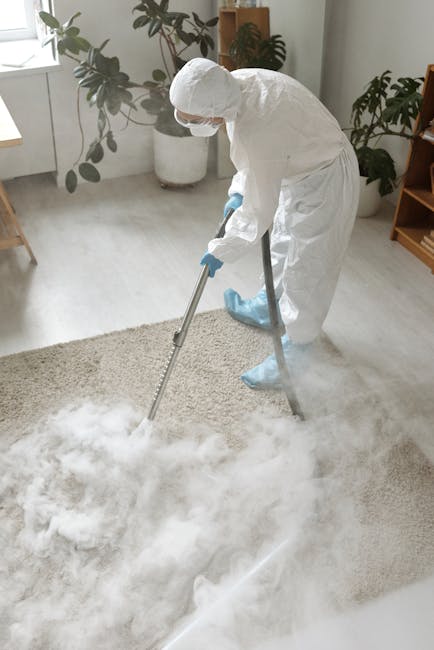
In practice, the process often includes some combination of vacuuming, pre-treatment, agitation, hot water extraction or steam cleaning, spot treatment, and targeted finishing on skirting boards, edges, and other overlooked zones. For upholstery-heavy spaces, a separate treatment may be needed for booths, benches, sofas, or dining chairs. If the job includes delicate fabrics, testing a small hidden area first is the sensible move. Always.
A solid provider should also think about drying times and business continuity. Nobody wants a cafe floor that is still damp when the breakfast rush starts. A proper plan allows for cleaning after hours, before opening, or in sections so the business can keep moving. A little inconvenience is better than a big mess, obviously.
Key Benefits and Practical Advantages
There are plenty of reasons to invest in deep cleaning, and the strongest ones are usually practical. Not the marketing version. The real-world version.
- Better customer experience: Fresh floors, cleaner seating, and reduced odours help create a more comfortable environment.
- Improved appearance: Even stubborn high-traffic dullness can often be lifted enough to make a visible difference.
- Longer-lasting materials: Dirt acts like sandpaper on carpets and fabric. Remove it regularly and surfaces tend to wear more slowly.
- Odour control: Coffee spills, milk residue, food vapours, and moisture can all leave lingering smells if not treated properly.
- Better staff environment: Teams working in a cleaner place often find daily housekeeping easier and less draining. A small thing, but not really small.
- Stronger hygiene routines: Deep cleaning complements daily sanitation instead of trying to replace it.
There is also a subtle sales benefit. Customers rarely praise cleanliness unless it is exceptional, yet they absolutely notice when it is not. A tired carpet or sour-smelling sofa can quietly undermine an otherwise lovely space. That is the annoying part. The cleanest businesses do not just look sharper; they feel calmer.
Who This Is For and When It Makes Sense
This kind of service is a good fit for any Belmont High Street business with customer-facing floors, fabrics, or seating that sees daily use. The obvious candidates are cafes, coffee shops, sandwich bars, bakeries, small delis, convenience stores, gift shops, salons, and boutique retailers. But the less obvious ones often benefit too.
For example, a shop with a carpeted fitting area might need periodic deep cleaning around mirrors and rails. A cafe with upholstered benches may need stain treatment more often than the rest of the room. A store using rugs for display zones can see dirt build up in a very uneven way. It is rarely the whole room that is the issue; usually it is the 20 percent of surfaces that take 80 percent of the wear.
It makes sense to book a deep clean when:
- footfall has noticeably increased
- the floor looks dull even after routine cleaning
- customers comment on smells, dampness, or stains
- you are preparing for a relaunch, inspection, or seasonal refresh
- you have had a spill incident or recurring mark in a high-traffic zone
- you want to extend the life of carpets or seating before replacement becomes necessary
It is also worth considering if your business is about to enter a busy spell. Before Christmas, before summer trade, or before a local event, a deep clean can make the whole place feel more organised. And let's face it, once the rush starts, everything gets harder.
Step-by-Step Guidance
Here is a sensible way to approach Belmont High Street deep cleaning for shops and cafes without turning the project into a headache.
- Walk the premises properly. Look beyond the obvious. Check entrance mats, corners, under tables, chair legs, skirtings, waiting areas, and the space behind counters.
- Identify materials. Carpets, upholstery, rugs, curtains, and hard floors all need different handling. Mixed materials are common in cafes and shops, so one-size-fits-all cleaning is rarely enough.
- Pinpoint problem areas. Note stains, odours, grease spots, drink marks, and heavy-wear paths. The worst-looking area is not always the most important one.
- Schedule around trading. Agree a time that minimises disruption. Early morning or after closing is often easiest, though a staged clean may work better for larger premises.
- Prepare the space. Clear movable items, empty small floor zones, and remove fragile display pieces where needed. A five-minute reset saves a lot of back-and-forth.
- Pre-treat stubborn areas. Good stain removal starts before the main clean. Spots, grease, and odours usually need targeted treatment rather than brute force.
- Deep clean from top to bottom. Address upholstery, carpets, rugs, and high-contact surfaces in a sensible order so cleaned areas are not re-soiled.
- Allow for drying and ventilation. Open windows if possible, keep airflow moving, and avoid putting furniture back too soon.
- Inspect the result. Check edges, under tables, and around entry points. Those are the places where issues hide, cheekily.
- Set a maintenance rhythm. Once the deep clean is complete, build a simple schedule for spot treatment and routine upkeep so the results last longer.
If you are dealing with more specific textile issues, it may help to look at dedicated treatments such as stain removal or pet stain and odour removal for persistent contamination in customer areas or staff spaces.
Expert Tips for Better Results
There is a big difference between "cleaned" and "properly deep cleaned." The difference usually comes down to planning, chemistry, and patience. Nothing magical, just experience and the willingness to not rush the job.
1. Deal with high-traffic routes first. Entrances, till points, counter fronts, and the route to toilets or storage areas tend to hold the most grit. These zones often need the strongest attention because they reveal the true state of a business fastest.
2. Treat odours as a separate problem. A place can look clean and still smell off. Milk spills, food residues, and damp fibres can linger after surface cleaning. If the smell remains, it usually means the source has not been fully removed.
3. Use the right method for the material. Steam works well for some surfaces, while delicate fabrics may need gentler treatment. More cleaning power is not always better. Sometimes it is just more wetness, which nobody wants.
4. Clean before the dirt becomes embedded. Regularly cleaned surfaces respond better to deep cleaning. The longer grime sits, the more stubborn it becomes.
5. Think about the customer journey. A spotless seating area matters, but so does the route customers take when they first come in. Entry mats, waiting spots, window-side seating, and feature rugs all influence first impressions.
One small habit we always recommend: photograph problem areas before the clean. Not for drama. Just for comparison. It helps you judge whether the treatment worked and gives you a clearer sense of what needs monitoring over the next few weeks.
Common Mistakes to Avoid
Deep cleaning goes wrong most often when people assume it is just a stronger version of routine cleaning. It is not. Different job, different risks.
- Waiting too long: Once stains set and fibres compact, restoration gets harder and more expensive.
- Using the wrong cleaning method: Over-wetting or using the wrong product can leave marks, shrinkage, or residue.
- Ignoring edges and corners: Dirt often collects where vacuum heads do not reach properly.
- Cleaning around clutter: Furniture legs, display stands, and portable fixtures hide a surprising amount of grime.
- Forgetting drying time: Putting furniture back too soon can trap moisture or re-mark the surface.
- Trying to fix everything with one product: Fabric, carpet, and hard-floor contamination all behave differently.
There is also a human mistake that crops up a lot: assuming that because a room smells like coffee, it must be fine. Truth be told, sometimes the coffee smell is just covering something else entirely.
Tools, Resources and Recommendations
For business owners planning a deep clean, it helps to understand what equipment and treatments are commonly used so you can ask better questions and set realistic expectations.
Typical tools and materials may include:
- commercial vacuum equipment with strong filtration
- pre-spray or fabric-safe pre-treatment products
- spotting agents for drinks, grease, and food marks
- hot water extraction equipment for carpets and some upholstery
- steam-based cleaning where appropriate
- microfibre cloths and detailing tools for edges, trim, and surfaces
- air movers or ventilation support to help drying
It can also help to pair fabric care with the right specialist services. For instance, if your cafe has a lot of seating wear, sofa cleaning or upholstery cleaning may be the most direct route. If your floors are the main issue, carpet cleaning or rug cleaning might be the better fit.
When comparing providers, ask practical questions rather than vague ones. What drying time should you expect? How are stubborn stains handled? Can the cleaning be done after hours? What should staff move in advance? Those questions reveal more than a glossy sales pitch ever will.
Law, Compliance, Standards, and Best Practice
For shops and cafes, cleanliness is not only a customer experience issue. It also sits alongside your general duty to keep the workplace reasonably safe and maintained. In the UK, businesses are expected to manage hygiene, slip risks, and safe working conditions sensibly, especially in environments where staff and customers move through the same space all day.
That does not mean every deep clean is a legal event. It means your cleaning schedule should be practical, documented where needed, and aligned with the actual conditions of the premises. If floors are being cleaned and left slightly damp, for example, the business should manage access appropriately. If fabric treatments create temporary odours or require ventilation, that should be considered before trading resumes.
Best practice usually includes:
- keeping a routine cleaning schedule alongside periodic deep cleaning
- using products suitable for the surface and material
- allowing safe drying time before normal use
- training staff to report spills quickly rather than letting them set
- recording issues that may need targeted treatment later
Insurance and safety also matter in commercial settings. If a provider is working around customers, electrical items, display units, or fragile fit-out features, they should be properly cautious and insured. It is reasonable to ask about this. In fact, it is a very good idea. Belmont businesses have enough to think about without gambling on a cut-price job that leaves the floor worse than before.
You can review practical service standards and safeguards through the company's health and safety policy and insurance and safety information, which are both useful touchpoints when you are assessing risk and planning around trading hours.
Options, Methods, or Comparison Table
Not every business needs the same type of clean. The right method depends on materials, severity, and how quickly the area needs to be back in use.
| Method | Best for | Strengths | Watch-outs |
|---|---|---|---|
| Routine cleaning | Daily or near-daily upkeep | Quick, inexpensive, keeps surfaces presentable | Does not remove embedded dirt or old stains |
| Deep cleaning | Built-up grime, customer areas, seasonal refreshes | Thorough, restorative, better for long-term maintenance | Needs planning and drying time |
| Steam cleaning | Many carpets and some robust fabrics | Useful for embedded dirt and sanitising-focused work | Not ideal for every material, and excess moisture must be managed |
| Targeted stain treatment | Specific spills, marks, and odours | Precise and efficient for isolated issues | Won't replace a full clean if the space is generally dirty |
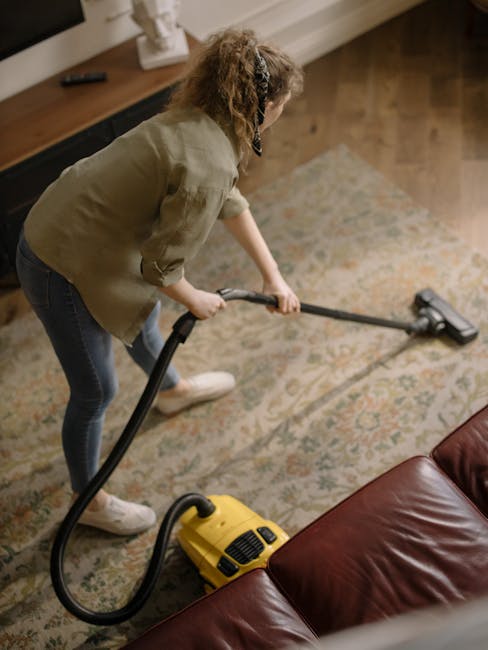
For many shops and cafes, the best answer is not choosing one method forever. It is combining them sensibly. A monthly or quarterly refresh, plus prompt spot treatment and daily vacuuming, usually delivers better results than occasional panic cleaning. Simple enough, but easy to overlook when the week gets busy.
Case Study or Real-World Example
Imagine a small cafe on Belmont High Street with a front seating area, a carpeted waiting zone near the window, and upholstered bench seating along one wall. The owner keeps the counters clean, the tables wiped, and the bins emptied. Still, by late afternoon, the room feels tired. The carpet near the entrance has a greyish track, one bench has a dark mark where drinks have splashed over time, and there is a faint stale smell when the door has been closed for an hour.
A sensible deep clean would start with the entrance and seating areas rather than the whole room at random. The carpet would be pre-treated, then cleaned with a method suitable for the fibre. Upholstery would be treated separately so the moisture load stayed controlled. The bench stain would be addressed with targeted stain removal, and the odour source would be checked rather than masked. After drying, the room would look lighter, smell fresher, and feel more comfortable to sit in.
That is the real value of a proper clean. Not perfection. Just a noticeable reset that makes the business easier to run and nicer to enter. Customers may not say, "Ah yes, excellent fibre restoration work," but they will absolutely notice the atmosphere. Humans are funny like that.
Practical Checklist
Use this checklist before booking or carrying out Belmont High Street deep cleaning for shops and cafes:
- identify the dirtiest areas, not just the most visible ones
- separate carpet, upholstery, rug, and hard-surface needs
- note any recurring spill points or odour sources
- clear moveable furniture and floor displays in advance
- confirm the best cleaning window around opening hours
- ask about drying time and re-entry timing
- check whether delicate fabrics need testing first
- plan for follow-up maintenance after the clean
- make sure staff know how to report new marks quickly
- review relevant service and policy pages if you need a more structured buying decision, including pricing and quotes and contact options
If your business values sustainability, it may also be worth reading the company's recycling and sustainability information so you know how waste and product use are handled.
Conclusion
Deep cleaning is one of those jobs that quietly pays for itself when it is done well. It sharpens the look of a shop, freshens a cafe, supports everyday hygiene, and makes maintenance less of a struggle later on. For Belmont High Street businesses, that matters because your space is part of the brand. People may come for coffee, browsing, or convenience, but they stay longer when the environment feels cared for.
The best approach is practical: match the method to the material, plan around trading, treat stains properly, and keep a simple maintenance rhythm after the deep clean. Do that, and you will usually get more from your carpets, upholstery, and seating than from any last-minute surface wipe ever could.
Get a free quote today and see how much you can save.
And if you are weighing up who to trust with the job, it is worth looking at the company background on the about us page and the service terms on the terms and conditions page. A little due diligence goes a long way, really.
Frequently Asked Questions
What does Belmont High Street deep cleaning for shops and cafes usually include?
It usually includes a deeper treatment of carpets, upholstery, rugs, entrances, high-touch zones, and problem areas such as spills, grease marks, or lingering odours. The exact scope depends on the materials in the premises and how heavily they are used.
How often should a cafe or shop book a deep clean?
There is no single fixed answer, because footfall and layout matter. Many businesses find that a regular routine clean plus a periodic deep clean works best. Busy cafes and heavily used seating areas often need attention more often than low-traffic retail spaces.
Can deep cleaning be done outside business hours?
Yes, and in many cases that is the easiest option. After-hours cleaning reduces disruption, avoids customer access issues, and gives the space time to dry properly before opening. Early morning slots can also work well.
Will deep cleaning remove every stain?
Not always. Many stains improve dramatically, but some older marks may have permanently altered the fibre or finish. A good cleaner should be honest about what can be improved and what is likely to remain as a faint mark.
Is steam cleaning safe for all shop and cafe carpets?
No. Steam cleaning can be very effective, but it is not suitable for every material or installation. Delicate fibres, glued backings, or moisture-sensitive finishes may need a different approach. A proper check first is always best.
How long does it take for carpets or upholstery to dry?
Drying time depends on the method used, airflow, temperature, thickness of the material, and how much soil had to be removed. Some areas dry fairly quickly, while thicker or more heavily treated fabrics need longer. Good ventilation makes a real difference.
What are the biggest signs that a business needs deep cleaning now?
Dull flooring, persistent odours, visible traffic lanes, sticky patches, stained seating, and areas that no longer look fresh even after routine cleaning are all strong signs. If customers or staff are starting to notice, the issue is probably overdue.
Should I choose carpet cleaning or upholstery cleaning first?
It depends on what is causing the biggest visual or hygiene problem. If the floor is the main issue, start there. If seating looks tired, smells stale, or carries visible marks, upholstery may need priority. Often the best result comes from cleaning both in one planned visit.
Do I need to move furniture before the clean?
Usually, yes, at least the small movable items. Larger furniture may be shifted by arrangement, but it helps if staff clear portable displays, light chairs, and floor clutter before the visit. That keeps the job efficient and reduces the risk of missed areas.
How do I compare quotes for commercial deep cleaning?
Compare more than price. Look at what is included, how the provider handles stains and drying times, whether they work around your opening hours, and whether they explain any limits clearly. A cheap quote that excludes the important bits can cost more later.
Can deep cleaning help with smells from coffee, food, or dampness?
Yes, especially when the odour is coming from absorbed residue in fabrics or carpets. If the smell is coming back after routine cleaning, it often means the source needs targeted treatment rather than masking.
What should I ask before booking a provider?
Ask what method they plan to use, how long drying should take, whether they have experience with shops or cafes, what preparation is needed, and how they handle delicate fabrics. It is a simple conversation, but it tells you a lot.