Carpet cleaning near Belmont Station top local tips
If you are looking into carpet cleaning near Belmont Station, you are probably juggling a few things at once: muddy shoe marks, old coffee drips, pet hair, and the simple wish that the room just feels cleaner again. Fair enough. Carpets take a beating, especially in homes and businesses with steady foot traffic, and the closer you are to a station, the more grit, moisture, and daily wear tends to get tracked in. This guide pulls together practical local tips, what to expect from a proper clean, and how to choose a service with confidence.
We will also cover when steam cleaning makes sense, how to avoid common mistakes, what to ask before you book, and which other services can help if your problem is not just the carpet. If you want a wider look at professional options, you can also explore carpet cleaning services, steam carpet cleaning, and stain removal support on the same site.
Table of Contents
- Why it matters near Belmont Station
- How the cleaning process works
- Key benefits and practical advantages
- Who this is for and when it makes sense
- Step-by-step guidance
- Expert tips for better results
- Common mistakes to avoid
- Tools, resources and recommendations
- Law, compliance, standards, or best practice
- Options, methods, and comparison
- Case study or real-world example
- Practical checklist
- Conclusion
- Frequently asked questions
Why Carpet cleaning near Belmont Station top local tips Matters
Location matters more than many people realise. Around a station, carpets tend to collect a different mix of dirt than a quiet residential street might see. Think fine dust from constant movement, damp from wet coats and umbrellas, and extra debris brought in on shoes. It is not glamorous, but there it is.
Top local tips for carpet cleaning near Belmont Station usually come down to timing, preparation, and choosing the right method. A rushed clean can leave moisture behind, revive old stains instead of removing them, or flatten carpet fibres in high-traffic lanes. Done well, though, a proper clean can make a hallway feel brighter, reduce odours, and make a room feel properly looked after.
For many households, this also becomes a hygiene issue. Carpets can hold on to pollen, food crumbs, pet dander, and everyday grime. For offices, clinics, rented homes, or customer-facing spaces, there is another layer: presentation. A tired carpet can quietly drag down the whole room. You notice it when you walk in, even if you do not say it out loud.
Expert summary: Near Belmont Station, the smartest approach is usually preventive as much as reactive. Vacuum well, deal with spills quickly, and book professional cleaning before heavy soil becomes embedded. That is the difference between maintenance and rescue work.
How Carpet cleaning near Belmont Station top local tips Works
Professional carpet cleaning is not just a bigger vacuum. The process usually begins with inspection: fibre type, pile condition, stain history, and whether the carpet is wool, synthetic, blended, or something more delicate. That matters because the wrong approach can shrink, distort, or over-wet the fibres. Nobody wants that sort of surprise on a Tuesday morning.
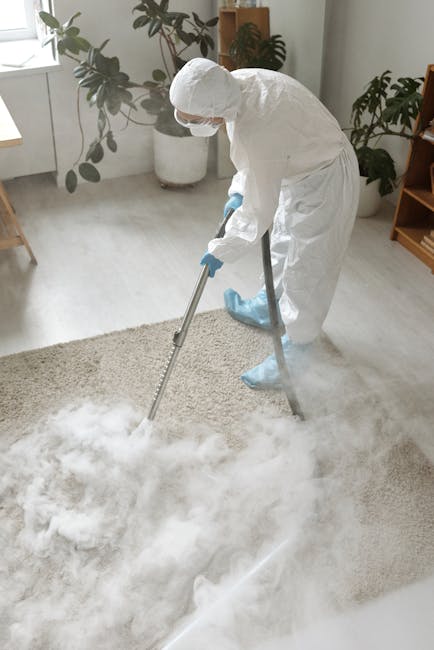
A typical service may include dry soil removal first, followed by spot treatment, deep cleaning, and controlled extraction. The exact method depends on the carpet and the level of soiling. In many cases, a hot water extraction or steam-based process is used because it can lift embedded dirt more thoroughly than surface cleaning alone. That said, not every carpet wants the same treatment. A heavy wool rug under a sofa is a different beast from an office corridor runner.
Local conditions matter too. If the property is near Belmont Station and sees regular foot traffic, good cleaners usually pay extra attention to entrance areas, hallways, stair edges, and any place where dirt tracks form. Those zones often need more than a quick pass. You will often see the cleaner focus on these traffic lanes first, then work outward so the end result looks even, not patchy.
If the issue goes beyond carpets, it can help to look at related services such as pet stain and odour removal or upholstery cleaning, especially where smells or allergens are spreading through more than one surface.
Key Benefits and Practical Advantages
The best reason to clean a carpet properly is simple: it looks and feels better. But the real value goes a bit deeper than that.
- Better appearance: Colours brighten up, pile marks lift, and rooms stop looking dull and tired.
- Improved comfort: Clean fibres feel softer underfoot, which sounds minor until you walk on them barefoot and notice the difference.
- Odour reduction: Smells from spills, pets, and general use are often reduced significantly when the source is properly treated.
- Extended carpet life: Embedded grit wears fibres down over time, so regular cleaning can help carpets last longer.
- Healthier environment: Dust, pollen, and everyday allergens are reduced when deep cleaning is done correctly.
- Better first impressions: This matters in rented homes, offices, and customer-facing spaces.
One thing people often miss is that professional cleaning can also help you judge the real condition of the carpet. Sometimes what looks like permanent wear is actually a build-up of soil. Other times, a stain really is a stain. Good to know before you replace something unnecessarily.
For larger properties or businesses, the benefits become even more practical. Less visible dirt means less daily complaint, less lingering odour, and less time spent trying to manage a problem with sprays and cover-up products. To be fair, those products can help for a day. They are not a plan.
Who This Is For and When It Makes Sense
Carpet cleaning near Belmont Station is useful for a wide range of people, but it makes most sense when the carpet is starting to show the signs of everyday life. That might mean visible dullness, tracked-in dirt, a spill that has stubbornly stayed put, or just a room that no longer feels fresh.
It is especially sensible for:
- households with children or pets
- commuters or busy households near transport links
- tenants preparing for end-of-tenancy checks
- landlords wanting to present a property well
- offices with regular client or staff traffic
- small shops, studios, salons, and waiting areas
- homes with rugs, sofas, or mattresses that need a fuller refresh
Some people book after a single spill. Others wait until the whole carpet looks tired. Truth be told, the best time is usually somewhere in between. Not too early, not too late. If you can still vacuum out surface dirt but the carpet no longer feels quite right, that is often the point where a professional clean starts to pay off.
And yes, if the issue has spread, it is often worth looking at rug cleaning, sofa cleaning, or even mattress cleaning. Once you start noticing dust and smells in one soft furnishing, the others usually deserve a glance too.
Step-by-Step Guidance
If you are planning a professional clean, the process is usually smoother when you prepare a little first. Not a full-scale spring clean. Just enough to make the appointment efficient and avoid silly delays.
- Inspect the carpet: Look for stains, high-traffic zones, loose threads, and areas that have faded or flattened.
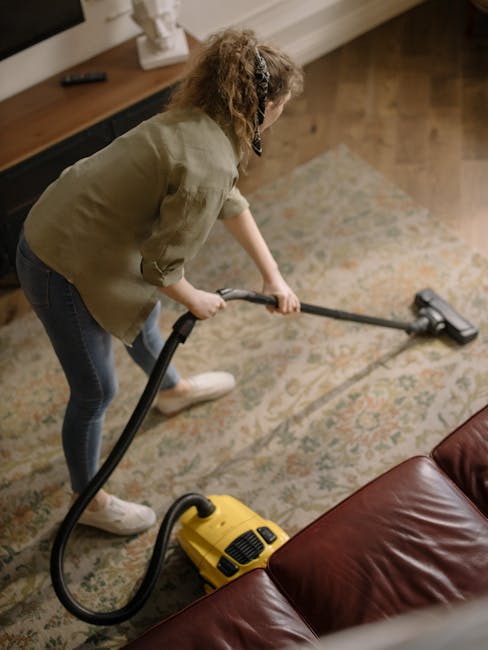
- Vacuum properly: Get up as much dry soil as you can before the cleaner arrives. That makes the deep clean more effective.
- Identify problem spots: Make a note of coffee, wine, pet accidents, gum, paint, or anything oily. Different stains behave differently.
- Move small items: Toys, plant pots, laundry baskets, and light furniture can get in the way if left scattered around.
- Discuss fibre type and treatment: Ask whether your carpet needs steam cleaning, low-moisture cleaning, or targeted stain treatment.
- Protect access routes: If the property has narrow stairs or a communal entry, clear the way so equipment can be carried safely.
- Allow drying time: Plan for ventilation and avoid heavy foot traffic until the carpet is properly dry.
That drying stage matters more than people think. A carpet can look clean and still be damp underneath. If you walk over it too soon, you can leave tracks, compress the pile, or slow the drying process. Slightly annoying, yes. Avoidable, absolutely.
If you are arranging a more specialised job, look at the service that matches the problem rather than assuming one method fits everything. A steady, thorough approach often beats a dramatic one.
Expert Tips for Better Results
Here are the tips that tend to make the biggest difference in real homes and workplaces near Belmont Station.
- Treat spills quickly, but gently. Blot, do not rub. Rubbing pushes the stain deeper and can rough up the pile.
- Vacuum slowly. Fast passes miss embedded dust. Two deliberate passes are better than four rushed ones.
- Watch the traffic lanes. Doorways and hallways usually need more attention than the centre of the room.
- Choose the right timing. A clean on a dry day can help carpets dry more evenly if ventilation is available. Not always essential, but helpful.
- Ask how odours are handled. Some smells sit in the fibre, others in the underlay. The solution is not always the same.
- Be careful with DIY chemicals. Strong products can bleach, set stains, or leave sticky residue that attracts more dirt.
- Check furniture protection. If the cleaner moves furniture, make sure there is a sensible plan for feet, pads, and drying.
One practical local tip: if your property picks up outdoor grit easily, pay attention to entry mats. A decent mat at the door can save a remarkable amount of cleaning later on. Simple, a bit boring, and very effective. Much like good umbrellas in London, really.
And if you are comparing service options, ask whether the cleaner offers targeted stain removal alongside general carpet care. That small detail often separates a decent job from a really tidy one.
Common Mistakes to Avoid
There are a few classic mistakes that come up again and again. Most are well intentioned, which is part of the problem.
- Waiting too long: Deep soil becomes harder to remove the longer it sits.
- Over-wetting the carpet: Too much moisture can lead to longer drying times and, in the worst cases, unpleasant smells.
- Using harsh spot cleaners first: Some sprays make stains spread or fix themselves more firmly into the fibre.
- Ignoring the underlay: If spills have soaked through, the visible carpet may not be the whole issue.
- Assuming all carpets are the same: Wool, synthetic, and blended carpets can react very differently.
- Forgetting the edges: The corners often look dirtier because they are overlooked, not because the cleaner missed the main area.
A smaller mistake, but still common, is not asking enough questions before booking. People sometimes just want the stain gone and call it a day. Fair enough. But a five-minute conversation about fibre type, access, and drying can save a lot of hassle later.
If you are unsure about the condition of a carpet, you may want to review the company's insurance and safety information and its health and safety policy. That kind of detail is not exciting, but it is reassuring. It should be.
Tools, Resources and Recommendations
You do not need a van full of gadgets to keep carpets in decent shape, but a few basic tools make life easier.
- Quality vacuum cleaner: Preferably one with decent suction and a brush that suits your floor type.
- Microfibre cloths: Good for blotting spills without spreading them.
- Plain white towels: Useful for absorbing moisture during spot treatment.
- Soft brush or carpet rake: Helps lift pile after cleaning and can tidy the look of flattened areas.
- Door mats: Simple but powerful at keeping outside dirt under control.
- Ventilation: Open windows where practical, or use airflow to help drying.
For more involved jobs, professional equipment matters. A machine that extracts soil effectively while controlling moisture can do a far better job than consumer spray-and-scrub products. That is especially true for stairs, communal areas, and older carpets with years of gradual build-up.
If you are looking at related soft-furnishing care as part of a wider refresh, useful next steps may include curtain cleaning and upholstery cleaning. Dust does not politely stay on one surface, unfortunately.
It can also help to review pricing and quotes before you commit, especially if you are comparing a single room, a whole flat, or a commercial space. The best quote is not always the cheapest one; it is the one that explains what is actually included.
Law, Compliance, Standards, or Best Practice
For domestic carpet cleaning, there is not usually a complicated legal process for the customer to manage. Still, good practice matters, especially where cleaners are working in homes, shared buildings, or workplaces.
In the UK, a reputable carpet cleaner should work in a way that is careful, transparent, and consistent with basic safety expectations. That means sensible handling of equipment, clear communication about drying and access, and awareness of slip risks when floors are damp. If a cleaner is moving furniture or working in a business environment, they should be mindful of safe access routes and the needs of occupants or staff.
For landlords and commercial clients, documentation can matter more than people expect. You may need clarity on what was cleaned, what treatments were used, and any limitations that were identified. It is not about bureaucracy for its own sake. It is about avoiding awkward misunderstandings later.
Best practice also includes honest expectations. Some stains can be improved but not fully removed. Some wear is permanent. Some odours sit in the underlay or subfloor. A careful professional should say so plainly rather than promising a miracle. That honesty builds trust fast.
If payment handling is part of your decision, it is sensible to review payment and security information and the terms and conditions before booking. Small print is not thrilling, but it is where expectations live.
Options, Methods, and Comparison
Different carpet cleaning methods suit different situations. Here is a simple comparison to help you decide what is likely to work best.
| Method | Best for | Pros | Trade-offs |
|---|---|---|---|
| Steam / hot water extraction | General deep cleaning, traffic lanes, embedded dirt | Thorough, strong soil removal, good for many everyday carpets | Can require longer drying time |
| Low-moisture cleaning | Lightly to moderately soiled carpets, quicker turnaround | Faster drying, convenient for busy spaces | May be less effective on deep-set grime |
| Targeted stain treatment | Localised spills, specific marks, odours | Focused, useful when most of the carpet is in good shape | Not a substitute for overall cleaning |
| Combined service | Mixed problems, homes with pets or heavy traffic | Balanced approach, covers broad and specific issues | May cost more than a basic clean |
For many people near Belmont Station, a combined approach is the sweet spot. A hallway might need steam cleaning, while a single stain near a sofa needs targeted treatment. One method only? Sometimes. But not always. Let the carpet decide, more or less.
If you are dealing with smaller pieces rather than wall-to-wall carpet, consider rug cleaning separately. Rugs often need different handling because they may be thinner, more decorative, or more delicate than fitted carpet.
Case Study or Real-World Example
Imagine a family living a short walk from Belmont Station. The hallway carpet starts to look grey along the centre line, and there is a patch near the front door where wet shoes have left a faint smell. Nothing dramatic, just enough to make the space feel a bit tired every time they come in with shopping bags and school coats.
They vacuum regularly, but the carpet still looks dull. They try a supermarket spray on the entrance mark. It helps for a day or two, then the area looks slightly worse because the residue attracts more dirt. Very common, that.
When the carpet is professionally cleaned, the first visible change is the colour. The pile lifts, the hallway feels brighter, and the traffic lane stops catching the eye every time someone walks past. The smell near the door eases too. Not because the carpet is brand new, but because the source of the grime is properly dealt with. That is the real win.
The family then makes two small changes: a better entrance mat and more regular vacuuming of the hallway. Nothing fancy. But those two habits make the next clean much more effective, and the carpet keeps its fresh look for longer. Sometimes the smallest adjustments save the biggest headache.
Practical Checklist
Use this quick checklist before and after carpet cleaning near Belmont Station.
- Check the carpet type and note any sensitive areas.
- Vacuum thoroughly before the appointment.
- Identify all stains and tell the cleaner about them.
- Move light furniture and clear access routes.
- Ask which cleaning method is being used.
- Confirm how long drying is likely to take.
- Keep children and pets away from damp areas.
- Open windows or plan ventilation where possible.
- Inspect the result once dry, not while it is still damp.
- Consider related cleaning needs for rugs, sofas, curtains, or mattresses.
Quick takeaway: the best results usually come from a mix of good preparation, the right cleaning method, and honest expectations. Do those three things, and you are already ahead of the game.
Conclusion
Carpet cleaning near Belmont Station is not just about making a floor look better for a day or two. Done properly, it can improve comfort, hygiene, appearance, and the life of the carpet itself. The real local tip is to think in terms of maintenance rather than rescue. Act before the soil gets deeply settled, choose the right method for the fibre and the problem, and do not be shy about asking what is included.
If your carpet is part of a bigger soft-furnishing refresh, it may make sense to plan a fuller clean across the room, not just one surface. That way the whole space feels consistent, fresher, and a bit easier to live with. And honestly, that feeling when you walk in after a proper clean? Hard to beat.
Get a free quote today and see how much you can save.
For a final bit of reassurance, you can learn more about the company behind these services on the about us page, or reach out through the contact us page if you want to talk through your carpet concerns in a straightforward way.
Frequently Asked Questions
How often should I book carpet cleaning near Belmont Station?
That depends on foot traffic, pets, children, and whether the carpet is in a hallway, lounge, or office space. Many homes benefit from a professional clean every 6 to 12 months, but busier properties may need it more often.
Is steam cleaning safe for all carpets?
Not always. Steam cleaning is suitable for many synthetic carpets and some wool blends, but delicate fibres or poorly installed carpets may need a different method. A proper inspection first is the sensible move.
Can carpet cleaning remove old stains completely?
Sometimes yes, sometimes no. Older stains can become permanent if they have set into the fibre or underlay. A good cleaner can usually improve them, but it is better to expect honest results than miracles.
How long does a carpet take to dry after cleaning?
Drying time varies based on the method used, ventilation, pile thickness, and room temperature. Low-moisture systems dry faster, while deep extraction can take longer. Planning for airflow is always helpful.
What should I do before the cleaner arrives?
Vacuum the carpet, remove small items, identify stains, and clear access paths. If you have pets, it is wise to keep them somewhere calm and out of the way while the work is happening.
Are professional carpet cleaning products safe around children and pets?
Reputable cleaners should use products and methods responsibly and explain any drying or access precautions. If you have specific concerns, say so up front. Clear communication makes the whole process easier.
What is the difference between carpet cleaning and stain removal?
Carpet cleaning treats the carpet overall, while stain removal targets specific marks or odours. In many cases, both are needed. One supports the other.
Can I clean a rug the same way as fitted carpet?
Not necessarily. Rugs can be more delicate, thinner, or made from materials that need gentler treatment. It is better to treat rug cleaning as its own job rather than assuming the same method will suit everything.
How do I know if I need upholstery or carpet cleaning?
If smells, dust, or stains seem to be spreading beyond the floor, your sofa or chairs may be part of the issue too. In that case, upholstery cleaning can be a useful companion service rather than an optional extra.
What should I ask before booking a carpet cleaner?
Ask about fibre suitability, cleaning method, drying time, stain treatment, access requirements, and what is included in the price. A few direct questions can save a lot of confusion later.
Is there a better time of year to clean carpets?
Many people like spring or autumn because the weather often makes ventilation easier, but the best time is really when the carpet needs attention. Waiting for a perfect season is how grime quietly wins.
Can commercial properties near Belmont Station book carpet cleaning too?
Yes. Offices, salons, shared spaces, and other business premises often benefit from professional cleaning, especially where appearance and hygiene matter day to day. For those settings, commercial carpet cleaning can be the more relevant option.
What if my carpet smell comes back after cleaning?
That can happen if the original issue is in the underlay, backing, or subfloor rather than just the visible fibre. It is worth flagging this early so the right treatment can be considered.
Where can I read the company's policies before I book?
Helpful pages include pricing and quotes, terms and conditions, and the privacy policy. They are practical reading, not thrilling reading, but they matter.